
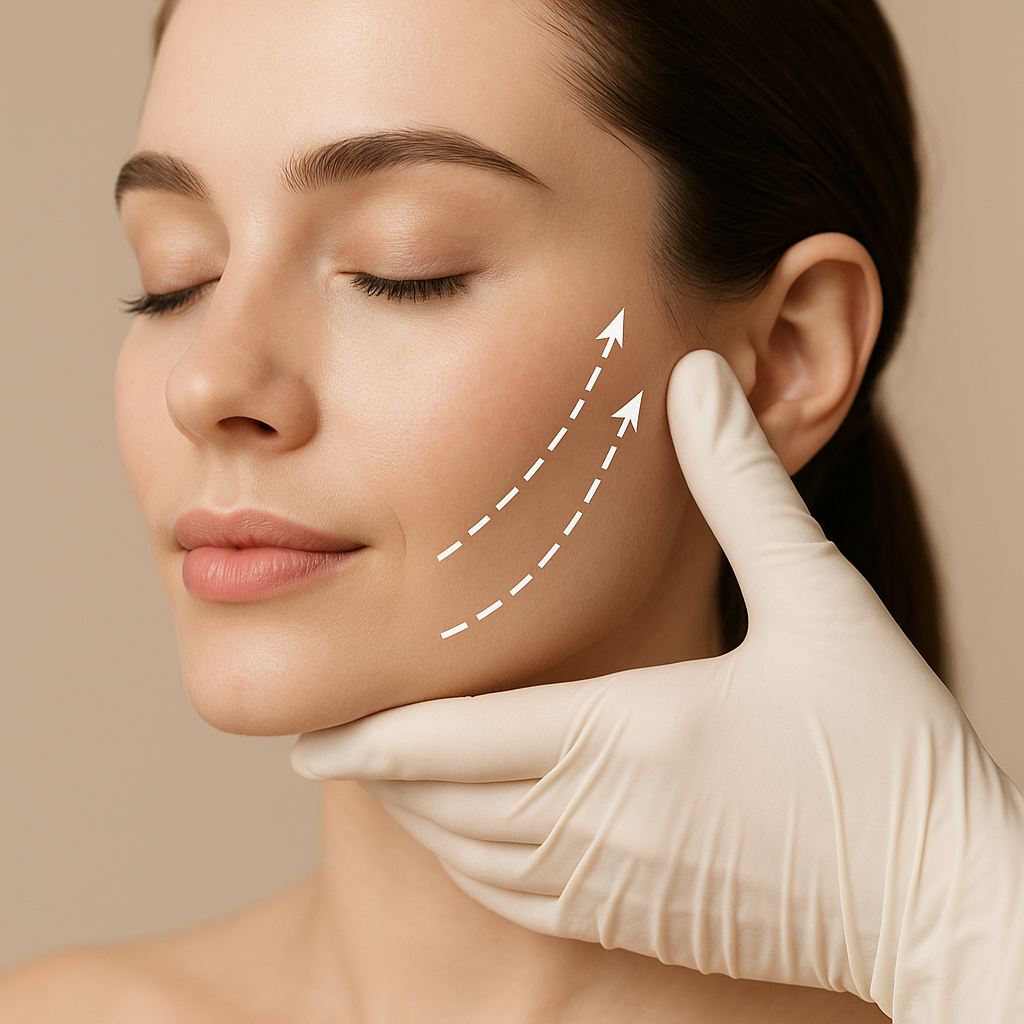
Understanding the Growing Popularity of Face Lifting
In today’s aesthetic landscape, face lifting has evolved far beyond traditional surgical techniques. Once considered a complex cosmetic procedure, it has now become an accessible and highly refined method for restoring youthfulness and skin elasticity. With innovations in non-invasive lifting and precision-based surgery, patients can now achieve dramatic yet natural results with minimal downtime.
According to global aesthetic market analyses, demand for face lifting procedures has grown significantly among individuals in their 30s and 40s. The motivation is not just cosmetic—it’s also psychological. People are seeking renewed confidence, more defined contours, and a radiant appearance that aligns with how they feel inside.
The Science Behind Face Lifting
Face lifting works by repositioning sagging tissues and tightening the skin layer to restore the facial structure. Modern techniques, such as SMAS (Superficial Musculoaponeurotic System) lifting, target deep tissue layers to achieve long-lasting results. The SMAS layer, when tightened, provides natural facial rejuvenation that resists the artificial “pulled” look often seen in older cosmetic surgeries.
Additionally, the advancement of ultrasound and thread lifting has created alternatives for those seeking subtle enhancements without surgery. Treatments like ultherapy use high-frequency ultrasound energy to stimulate collagen production, while PDO threads physically lift and support the skin from within.
Surgical vs. Non-Surgical Face Lifting
Patients today can choose between surgical face lifting—for dramatic contour restoration—and non-surgical methods, which deliver gradual and natural results. Surgical facelifts, as performed by advanced clinics such as DAPRS Plastic Surgery, focus on tightening both the skin and underlying muscles. This dual-layer approach extends the lifespan of the results, often lasting for several years.
Non-surgical methods, on the other hand, are gaining traction for their quick recovery times. Techniques such as thread lifting, HIFU (High-Intensity Focused Ultrasound), and collagen-stimulating injectables deliver smoother, firmer skin with minimal discomfort.
The Emotional and Social Impact
While face lifting is often viewed through a cosmetic lens, its impact extends much deeper. Studies have shown that individuals who undergo facial rejuvenation procedures experience significant improvements in self-esteem, career confidence, and social engagement. These changes stem from the subtle restoration of facial harmony, not merely from physical alteration.
In modern society, where digital presence is ever-expanding, maintaining a fresh and confident look has become integral to personal and professional identity. The rise of face lifting aligns with this cultural shift toward aesthetic wellness.
Expert Clinics and Global Standards
Clinics like DAPRS Plastic Surgery in Seoul have set international benchmarks for face lifting excellence. With specialized techniques in full-face lifting, mini-lifting, and combination skin-tightening procedures, they represent the forefront of aesthetic innovation. Their philosophy centers around natural results—enhancing each individual’s facial balance rather than drastically changing it.
This approach reflects a broader industry trend: customized rejuvenation based on anatomy, age, and skin condition. By combining advanced lifting with skincare treatments and maintenance programs, modern clinics are creating holistic anti-aging plans that go beyond surgery.
The Future of Face Lifting
The future of face lifting lies in integration—uniting science, artistry, and regenerative medicine. Next-generation techniques will likely combine stem cell therapy, bio-fillers, and energy-based devices to achieve results that are not just aesthetic but also cellularly rejuvenating.
As these technologies evolve, patients can look forward to personalized care plans that restore youth from within, supporting natural facial dynamics and long-term skin health.
Reference
- Face Lifting Procedures at DAPRS Plastic Surgery – Discover expert techniques and full-face lifting innovations trusted worldwide.